Tag: Geopolitics
Channels
Browse by:
- ServicesStrategic Partnerships & Global EngagementClimate & BiodiversityFinancial CommunicationsChange & TransformationPublic Affairs & Government RelationsInternal Culture & EngagementSocial Impact & ESGIntegrated MediaAdvocacy CampaignsResearch, Analytics and MeasurementExecutive PositioningReputation & Brand ManagementCrisis, Issues & LitigationCreative Strategy & DesignCorporate CommunicationGeo-Commerce & Risk
- Sectors
- Regions
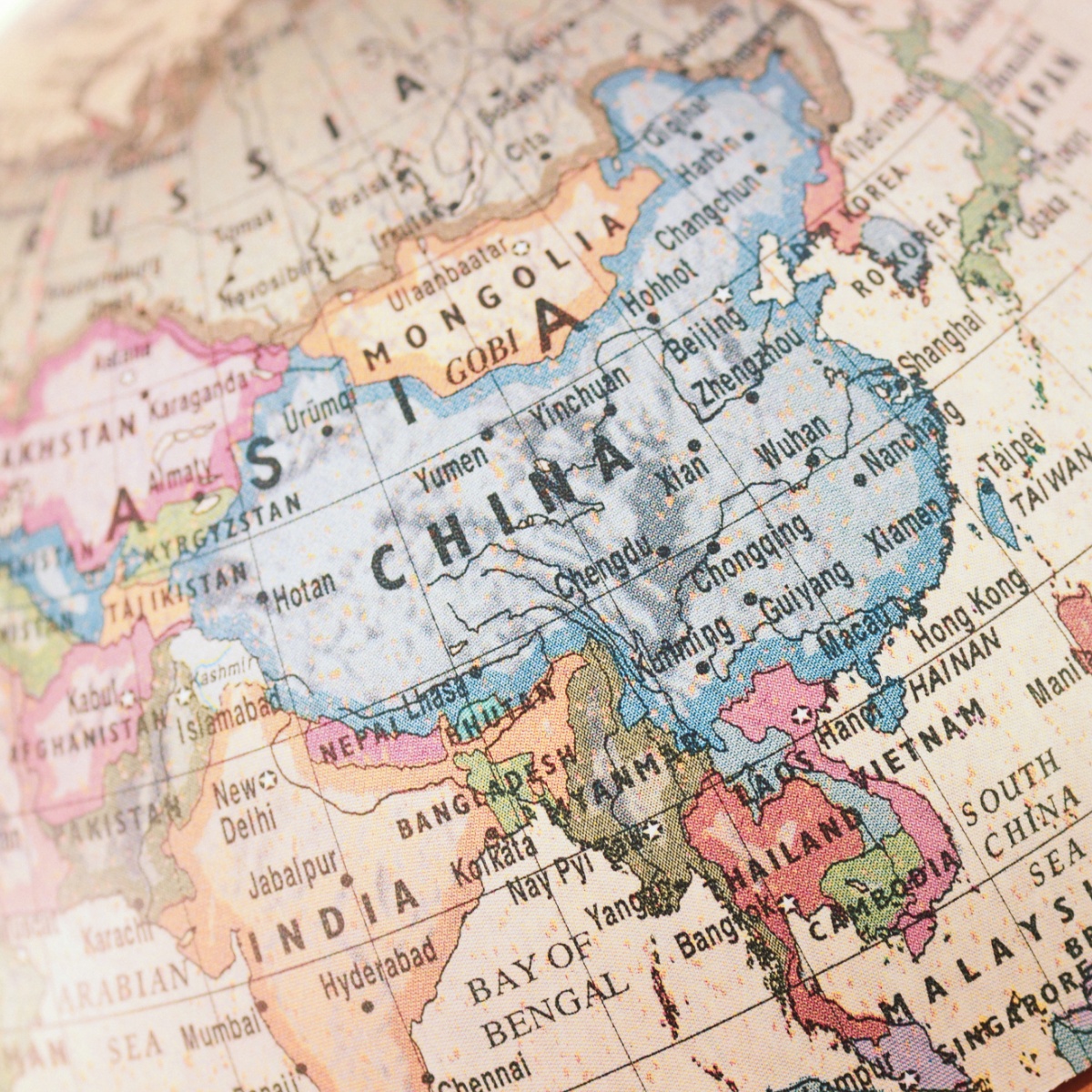
U.S. Midterms and Asia: 3 Lenses for What Comes Next
With Democrats controlling both chambers of Congress, APCO’s post-midterm briefing explains what Washington, Beijing and local rules mean for tariffs, technology and investment decisions by companies in Asia....
Showing Up Is the Strategy
Margery Kraus and Ambassador (Ret.) Linda Thomas-Greenfield examine whether UNGA, COP31 and the G20 can sustain global cooperation this fall amid war, trade disputes and fragmented alliances....

Q&A: July is a Big Month for Trade: What’s Coming Next?
U.S. trade policy enters a pivotal stretch as USMCA renegotiations extend into 2027, shifting tariff strategies replace expiring measures, and ongoing regulatory actions and enforcement signal continued complexity for businesses over the summer....
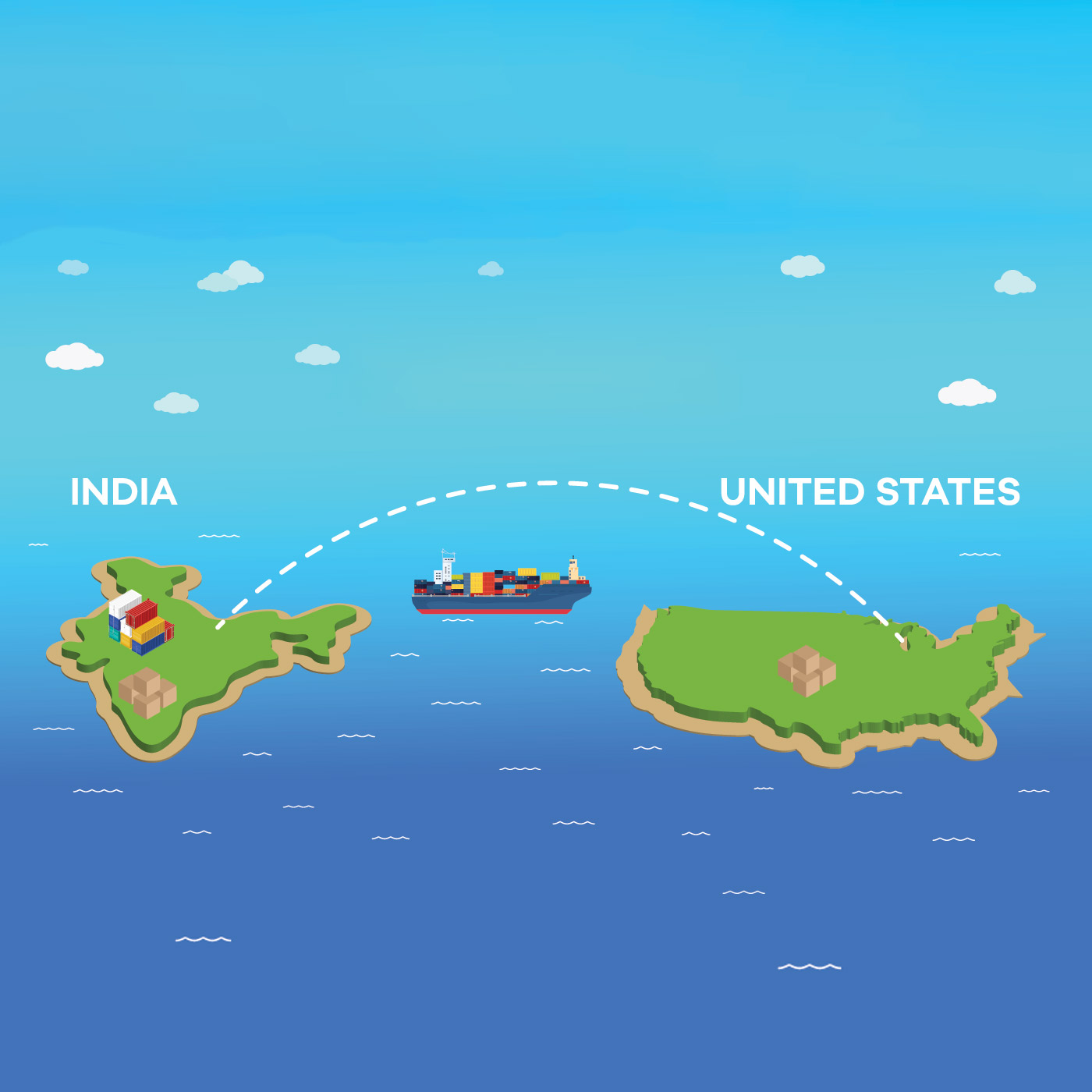
India's Trade Compass: Dependence, Diversification and Diplomacy
India is shifting from trade caution to strategic engagement, driven by geopolitical pressures, supply chain vulnerabilities, and economic ambition—reshaping global partnerships through targeted agreements and a four-pillar approach to diversification, resilience, and growth....
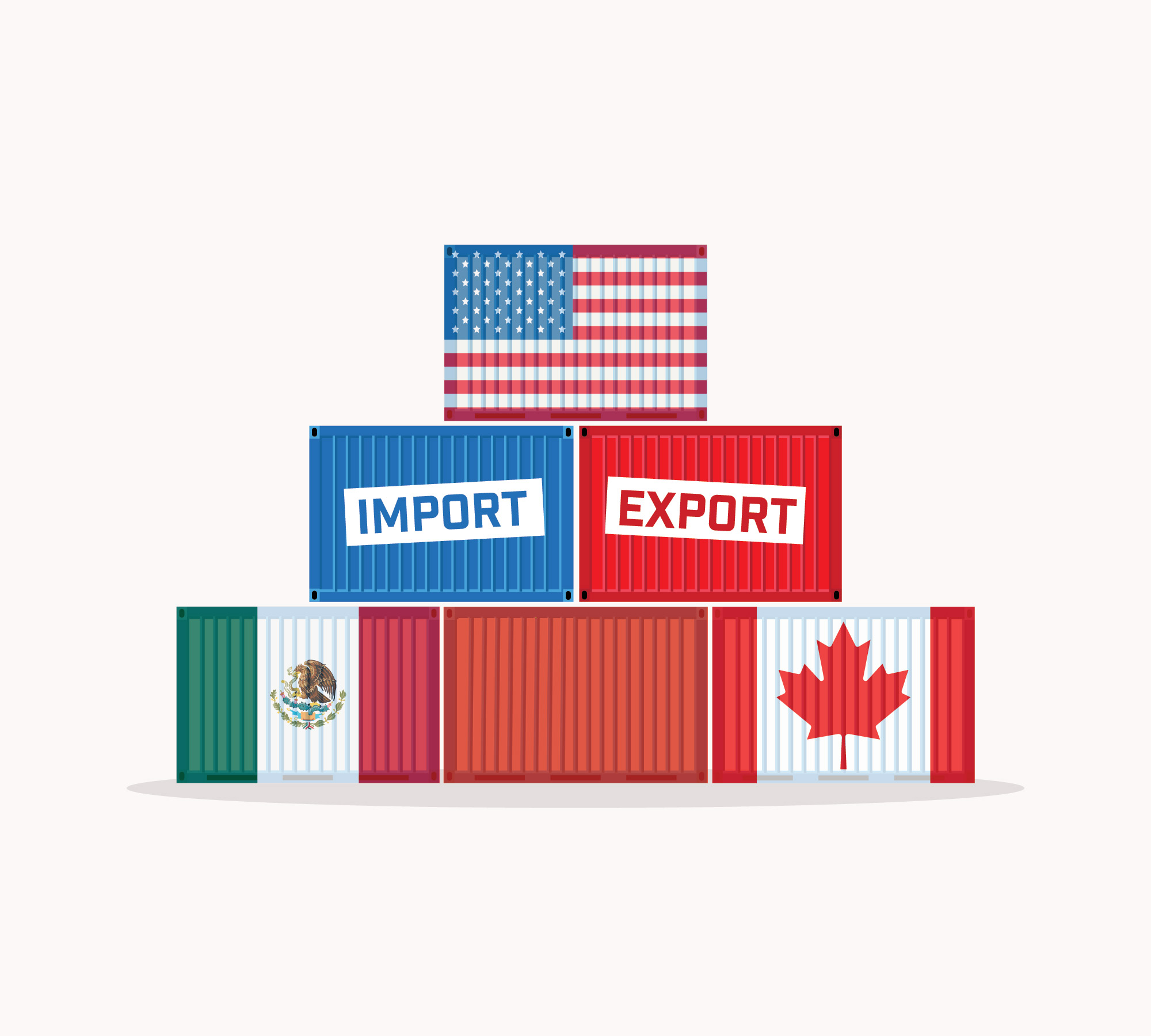
Playing the Long Game: Mexico's Opening in the USMCA Revision
USMCA’s July 1 milestone launches a months-long review shaping North American trade. Mexico seeks stability and renewal while leveraging tougher rules and nearshoring trends to attract investment despite U.S. pressure on tariffs and content requirements....
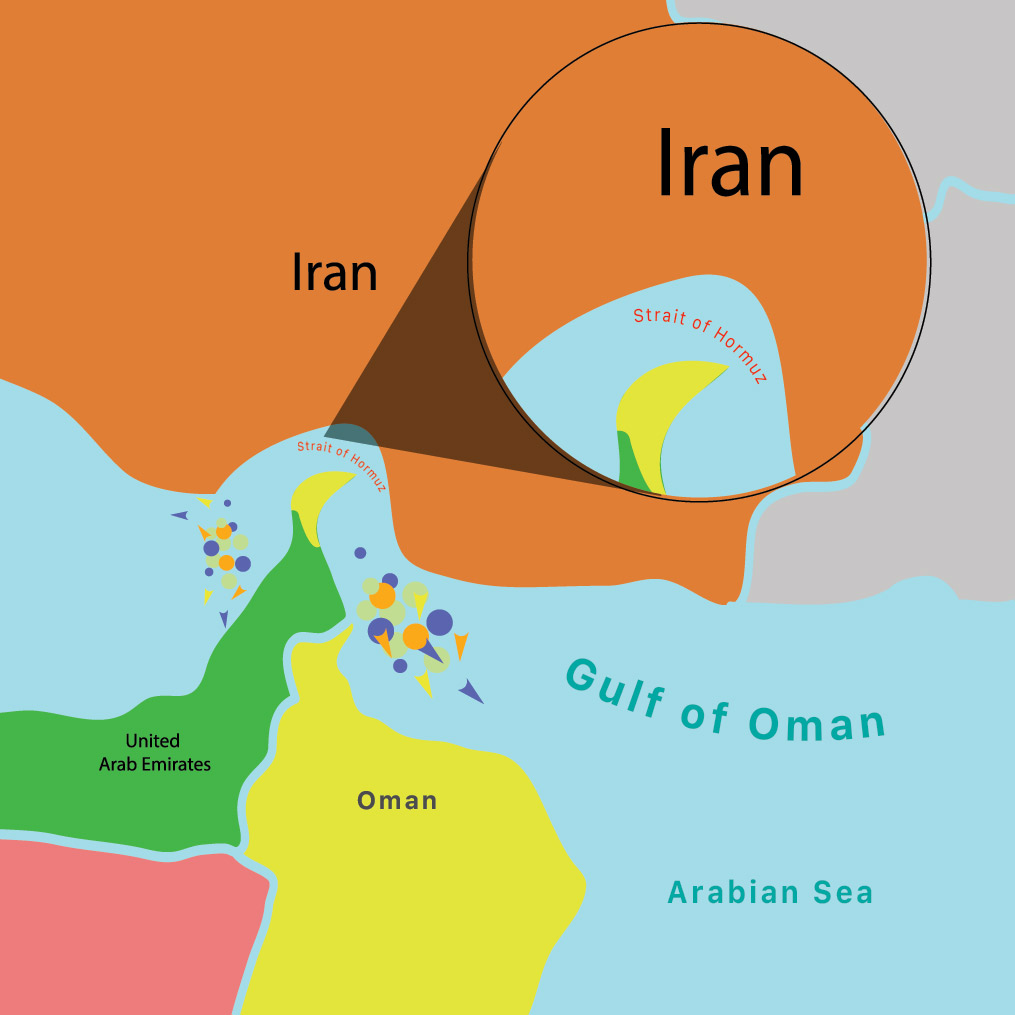
Safe Passage? What Does Trump’s Deal Mean for the Strait of Hormuz
Iran’s shutdown of the Strait of Hormuz triggered global economic shock, exposing supply chain vulnerabilities. While a tentative reopening deal offers relief, markets face lasting volatility and a shift toward alternative trade routes....
More Than a Trade Dispute: The Political Stakes Behind U.S. Tariffs on Brazil
U.S. tariffs on Brazil are reshaping more than trade, amplifying political tensions ahead of October’s election, testing bilateral ties and signaling how Washington may approach the region, with clear implications for businesses navigating risk....

Europe's Automotive Moment: From "Made in Europe" to "Made with Europe"
Europe’s Industrial Accelerator Act comes at a pivotal moment, as rising global competition pushes policymakers to rethink how to strengthen automotive competitiveness—shifting the focus from protection to capability-building, partnerships and faster industrial execution....
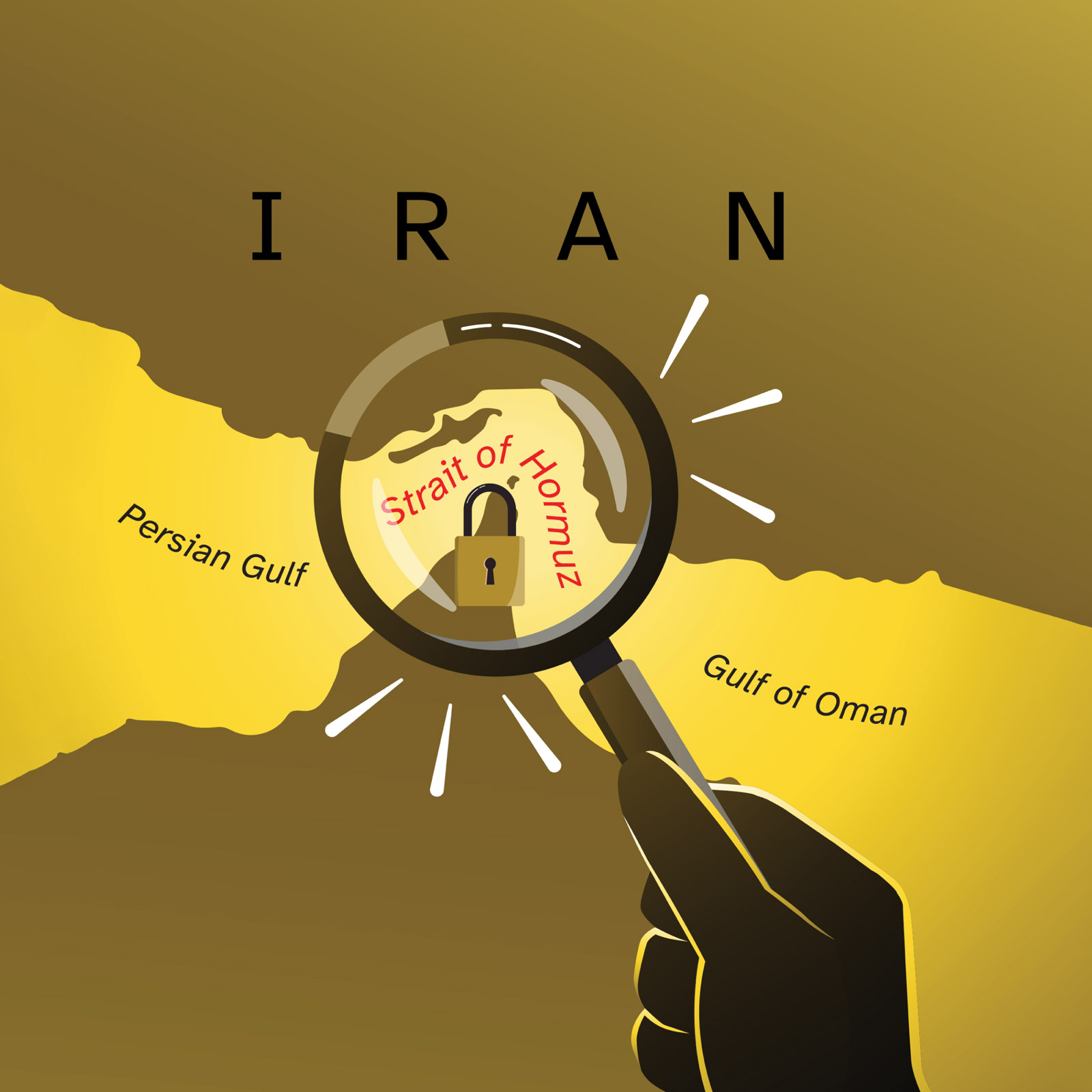
A Partial Reset: What the U.S.–Iran Deal Changes—and Does Not Change—for Global Busines
A 14-point U.S.–Iran agreement offers partial relief by reopening key trade routes and easing restrictions, but unresolved tensions mean businesses should expect uneven recovery, sustained volatility and a critical 60-day period requiring cautious planning....

Kickoff Time: The World Cup, A Defining Test for North America’s Unity On and Off the Pitch
North America’s FIFA World Cup serves as a high-stakes test of regional coordination, offering a rare opportunity to strengthen trade ties, rebuild trust and reposition the U.S., Mexico and Canada as a more unified global force....